
A film taking shape
Fa So La is just the beginning
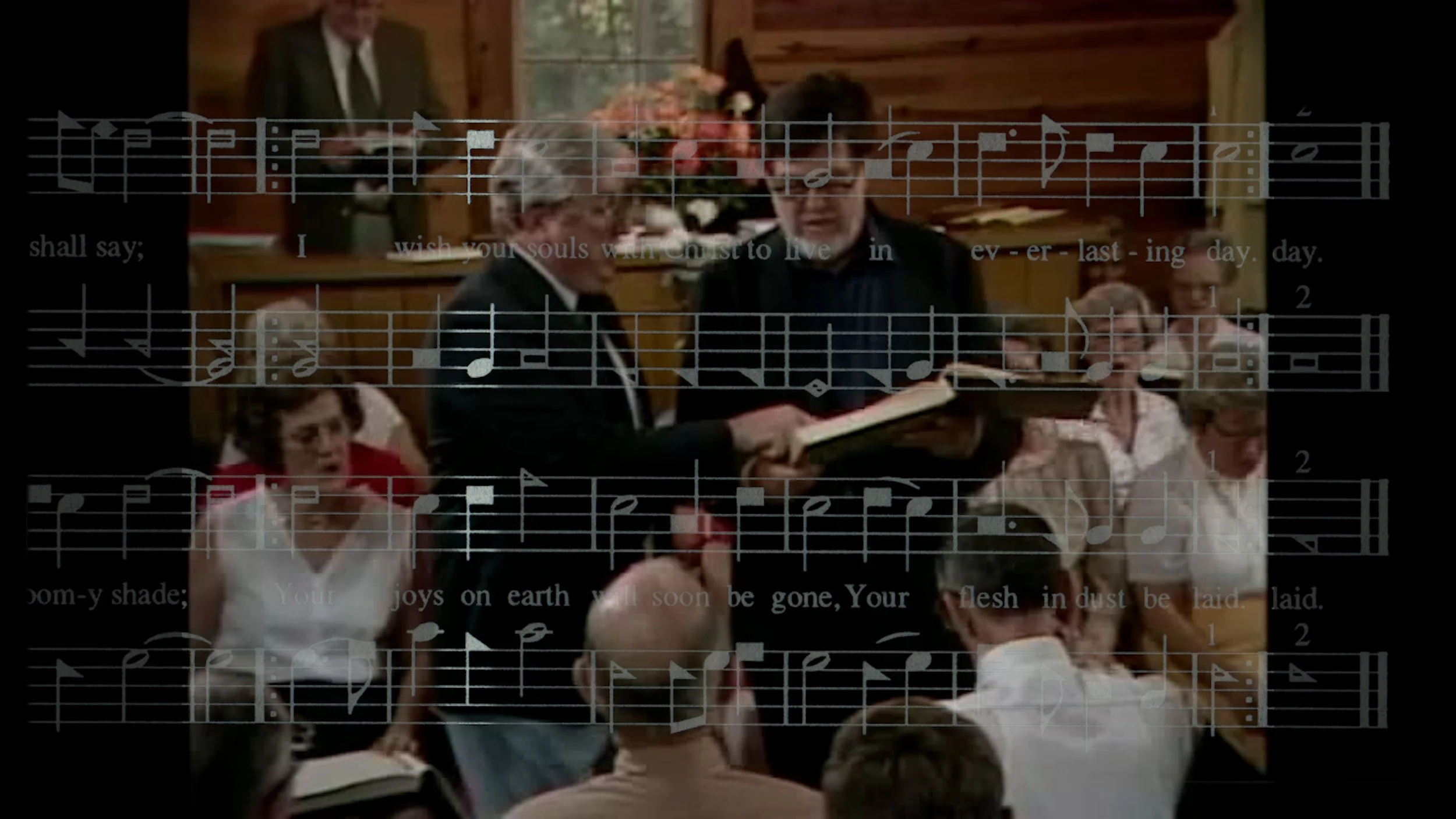
Shape-note singing is one of America’s oldest forms of music, yet few Americans have ever heard it. The notation system—shape notes—is unique, and so is the four-part “dispersed harmony” that gives the music its distinctive force, often defying the expectations of modern choral sound.
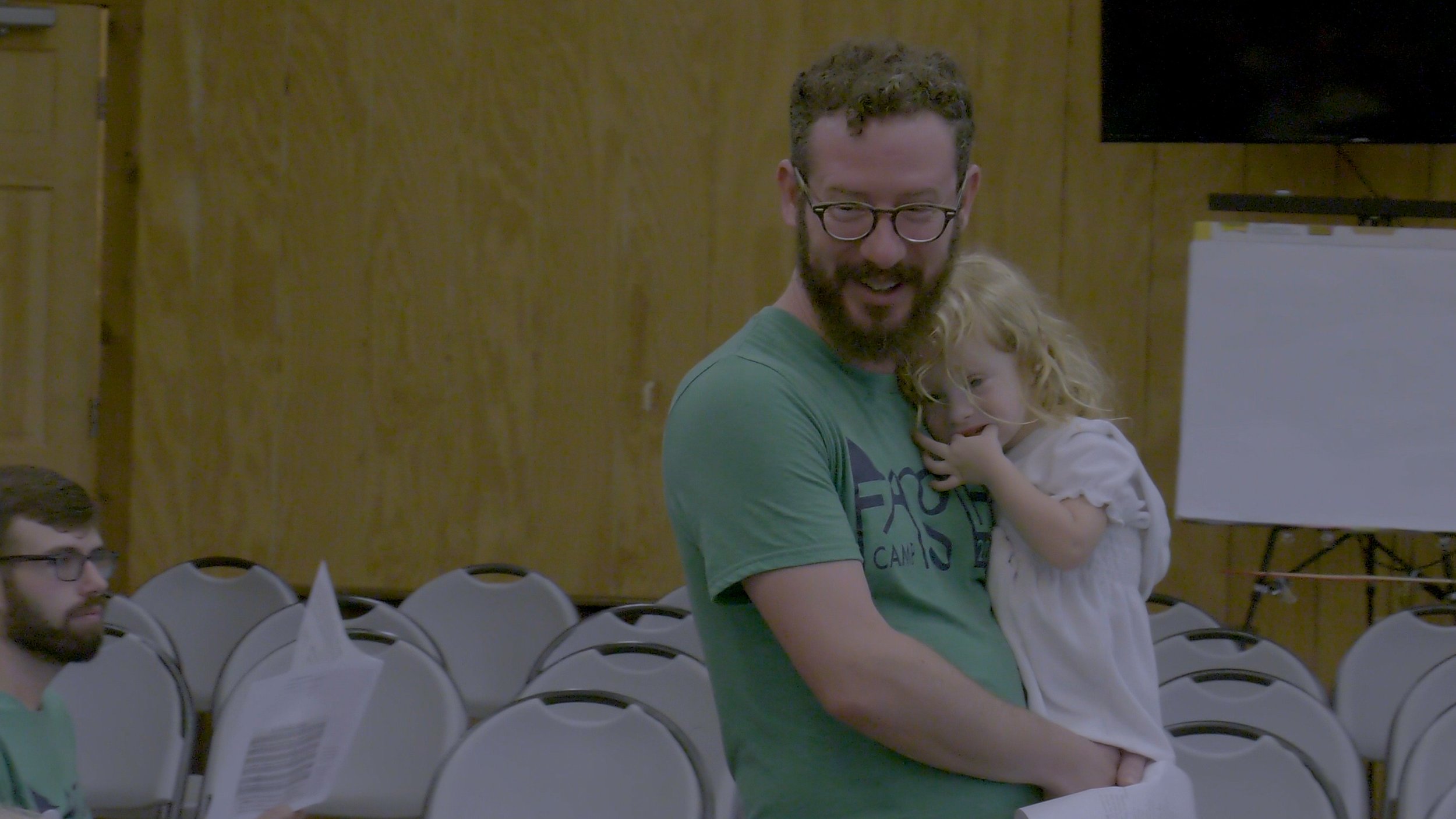
“Sol La Fa” - Lucie“She just sang a descending major triad” - JesseThe Sacred Harp book
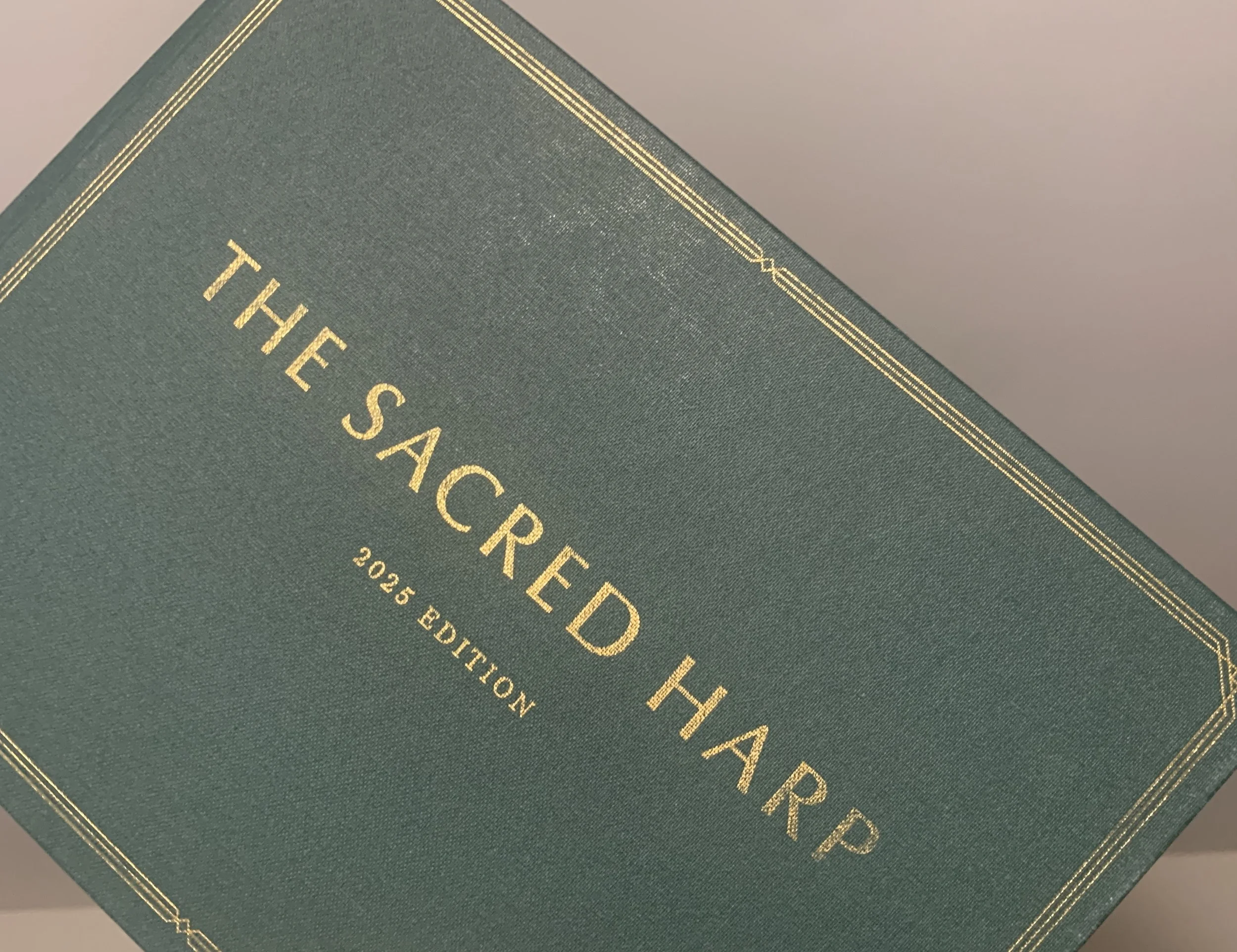
Dozens of shape-note tunebooks were compiled, published, and circulated in the early 19th century. The Sacred Harp was one that rose to prominence. It has remained in print since its original publication in 1844, and in 2025 a new edition was released featuring original work from living composers of today.
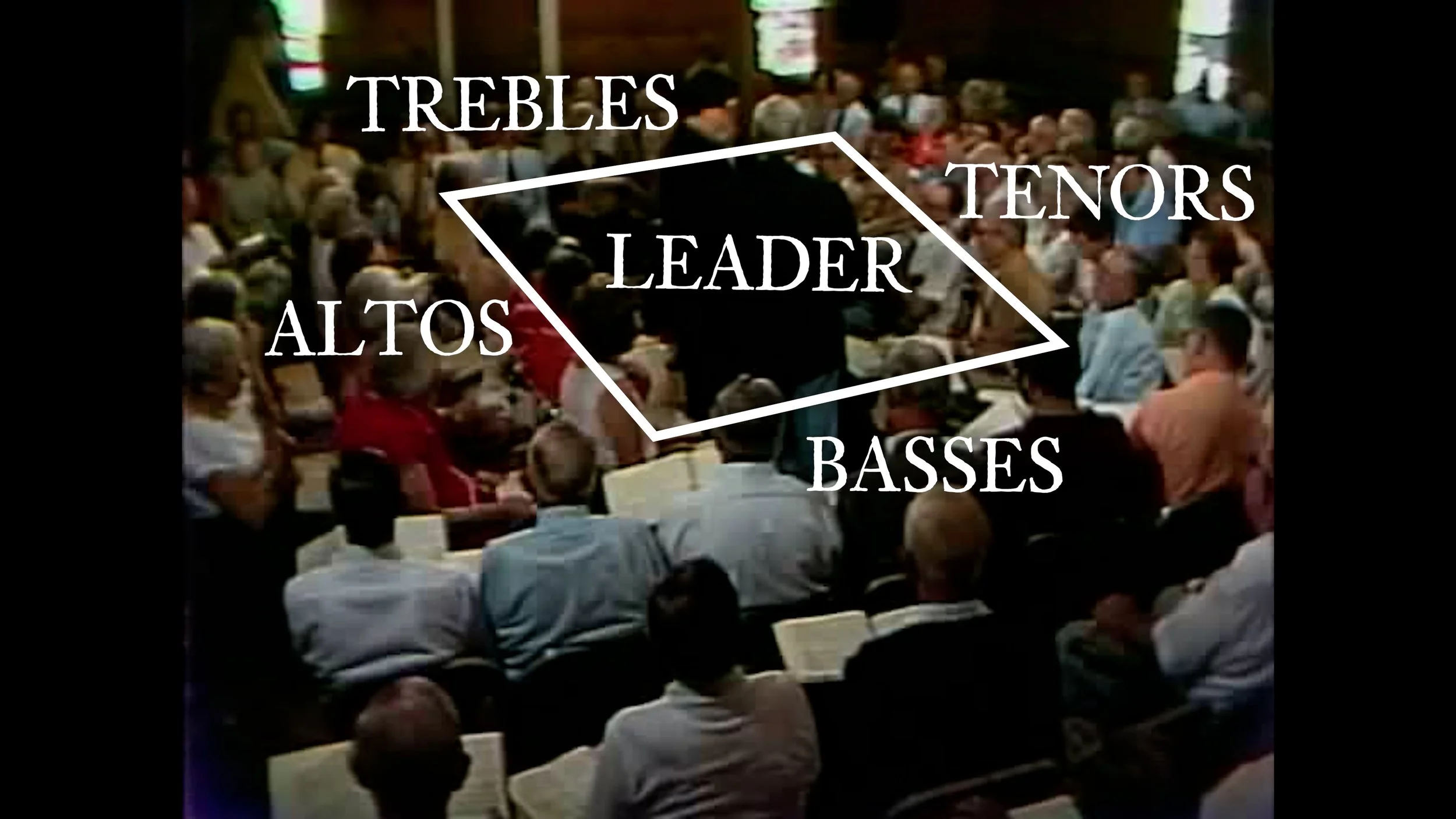
The Hollow Square
Singers arrange themselves in a hollow square, facing one another and the leader—who rotates among the singers. This formation creates an immersive sonic exchange, where every voice contributes to the physical shape of the sound.
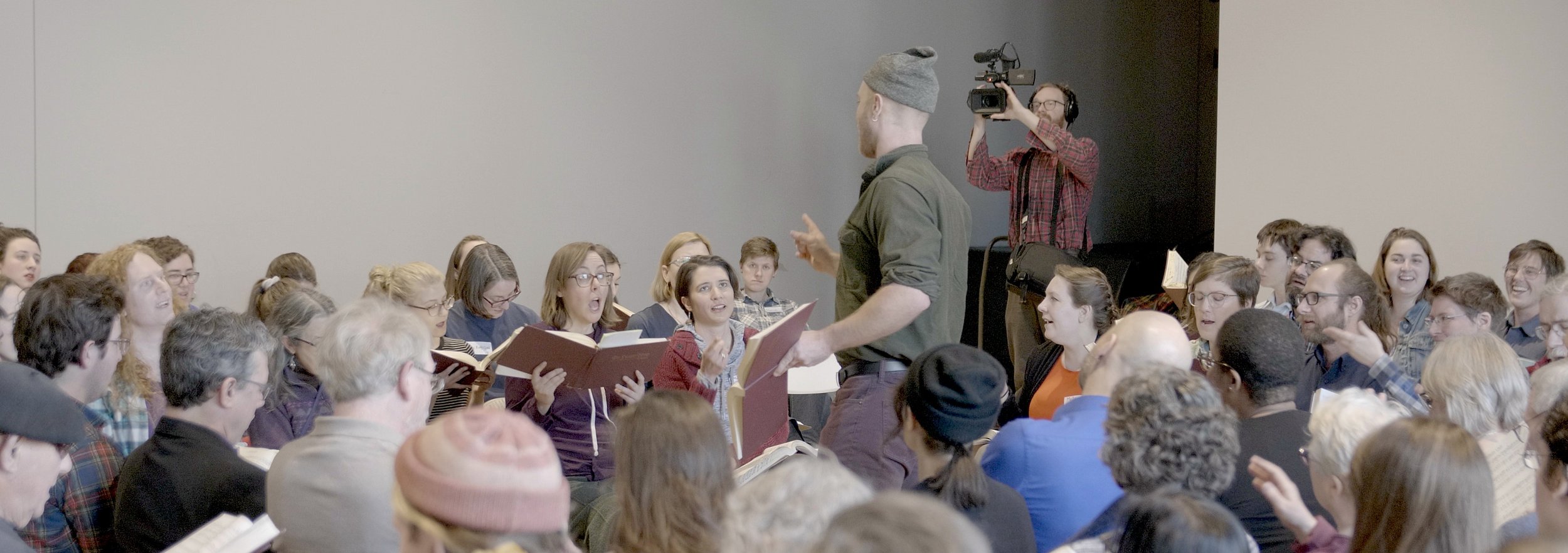
Filming Singing the Shapes
In 2019, after more than a decade as an active singer, filmmaker Timothy Morton set out to capture this tradition from the inside. Filmed across 15 states and Quebec the documentary seeks to reveal not only the sound but the lived experience of Sacred Harp singing.
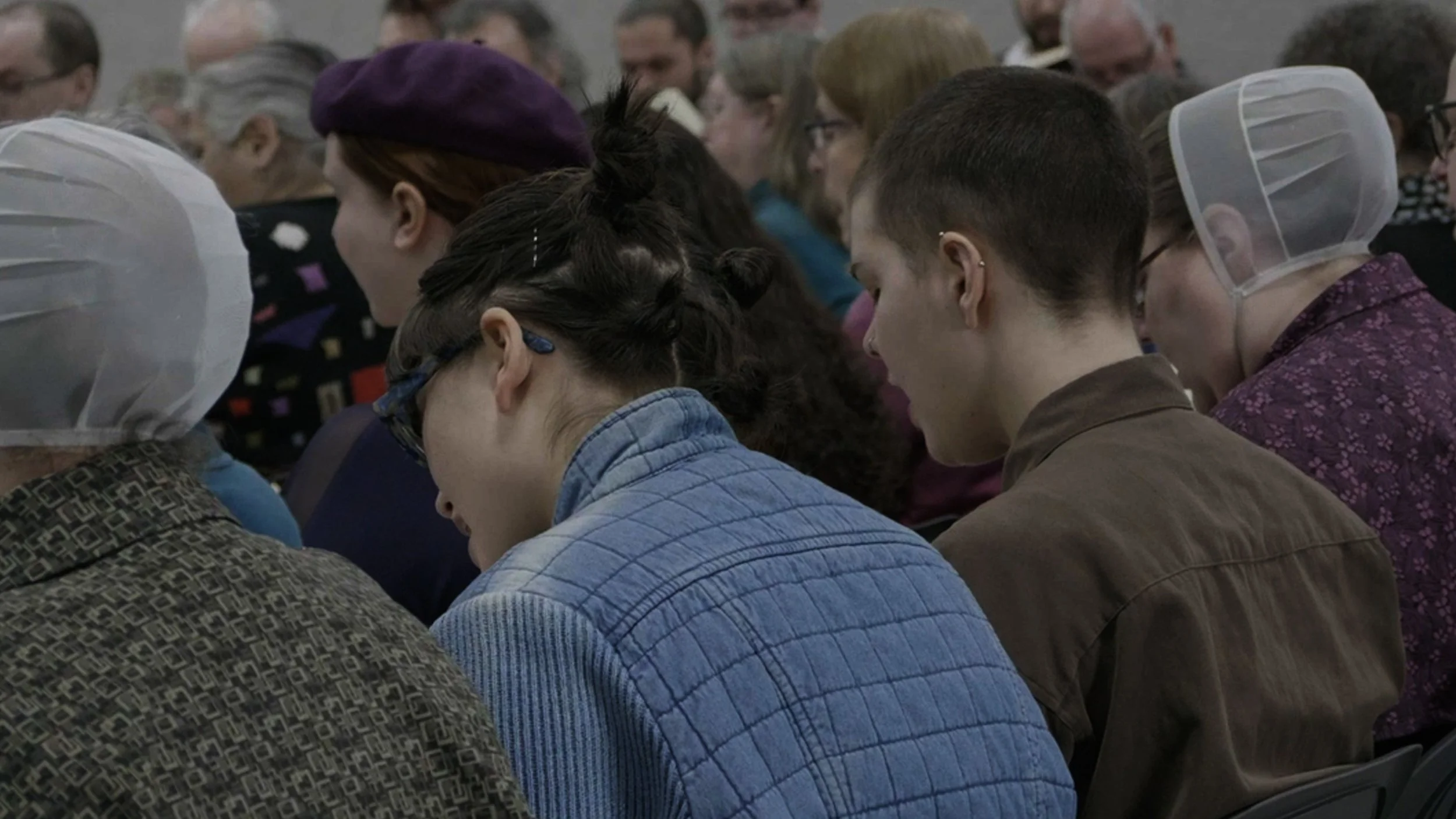
Personal Yet Communal Spirit
Though the singing is shared, the meaning and purpose behind the music remain deeply personal for each individual present. Sacred Harp’s open-door ethos creates the possibility for people of different backgrounds, beliefs, and identities to gather in one room—voices meeting where they otherwise might not.
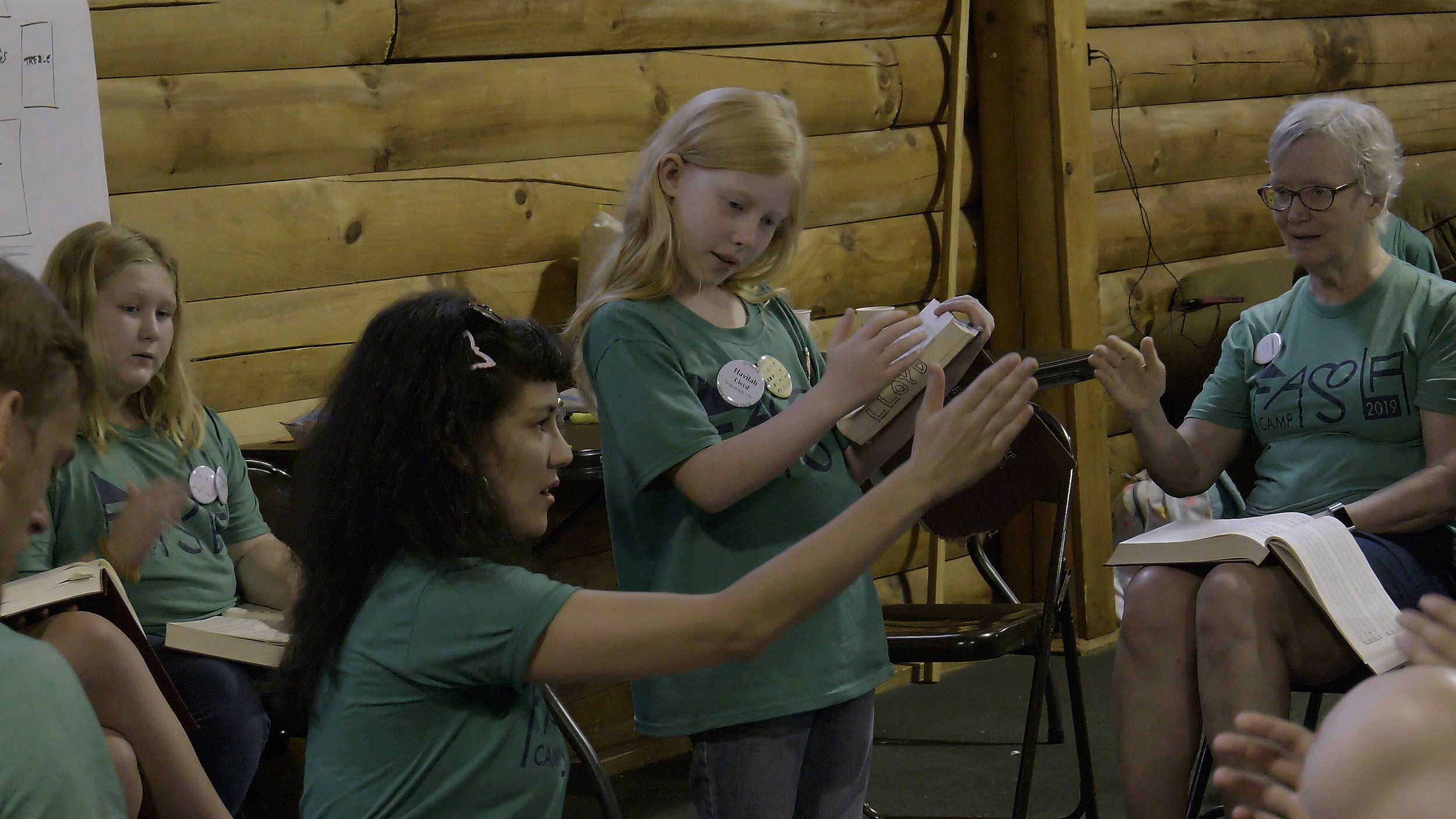
Lessons
A nod to the early American singing-school tradition: each person who leads a song is said to be giving a “lesson.” The ethos of learning from one another—and passing the tradition hand to hand, voice to voice—remains central to Sacred Harp today.
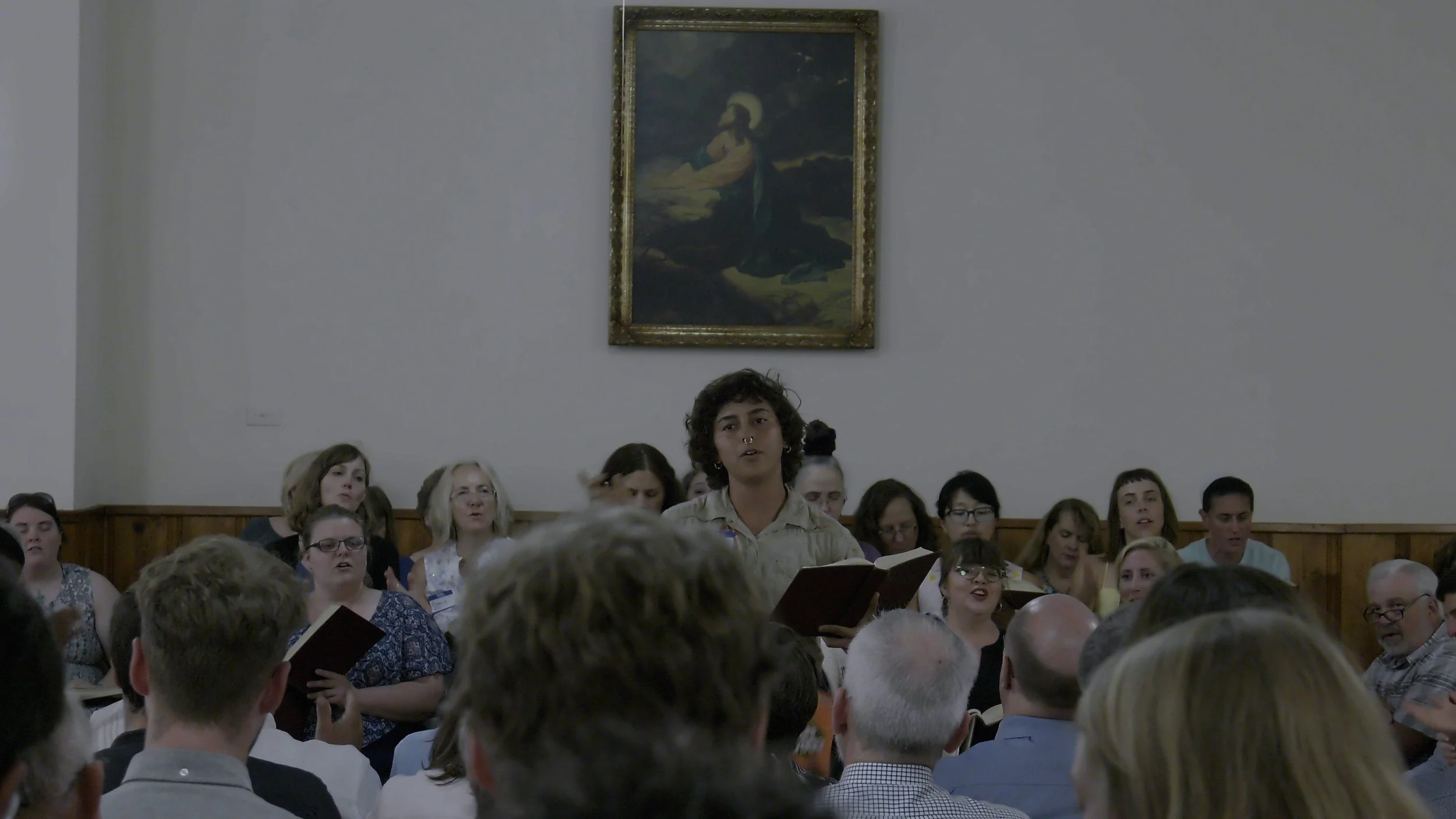
“The road to glory seems so long, And sorrows often take my song.”
How the Film Reflects the Music
Singing the Shapes: Songs of the Enduring Sacred Harp mirrors the very qualities that make this tradition what it is. In the poetry of The Sacred Harp, the word “songs” often serves as a metaphor for our storied lives—echoing the joys, griefs, and passages that shape us. The film embraces this metaphor, presenting the music not only as sound, but as a reflection of the people who carry it.

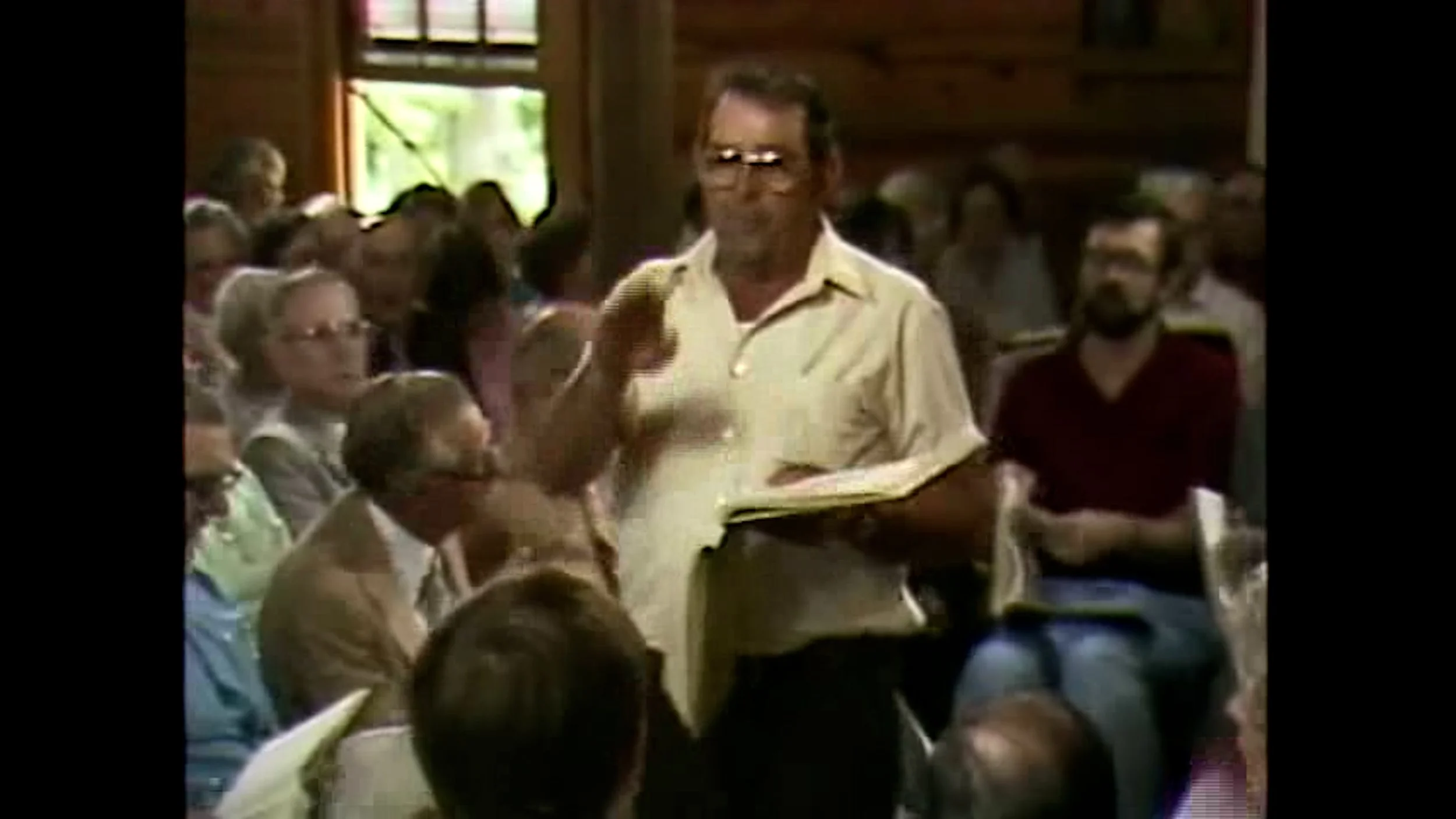
““I use ta’ could sing just about every song in this book.””
Songs deepen through the voices of the community, their stories revealing the lived tradition behind the sound. Archival material links these voices to early memories of the music, letting past and present speak together.
““Wake, all ye soaring throngs, and sing””
Conclusion
If there is a lesson to be found, it is that the lessons we learn from one another—sung, shared, remembered—carry value. It is said that music is the relationship between the notes. The musical and cultural relationships in the Sacred Harp tradition are enacted by Singing the Shapes.
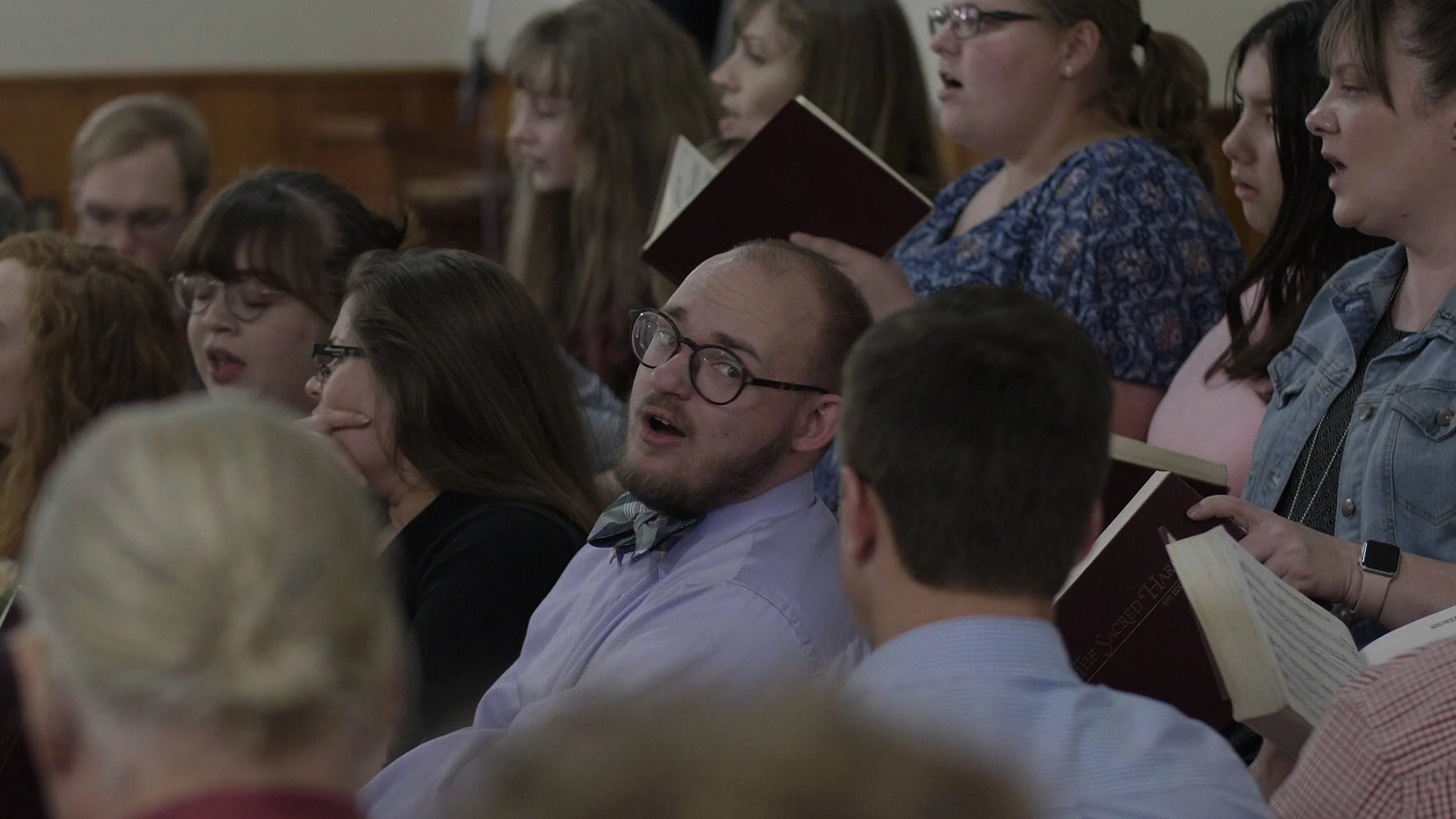
““Some of the closest relationships in my life are through singers... and they have all contributed to my life.””